When Is Joint Replacement Surgery the Right Choice?
Joint replacement surgery is one of the most successful orthopaedic procedures for relieving chronic pain and restoring mobility. It is commonly recommended for patients with severe damage to the knee, hip, or shoulder joints when conservative treatments no longer provide adequate relief.
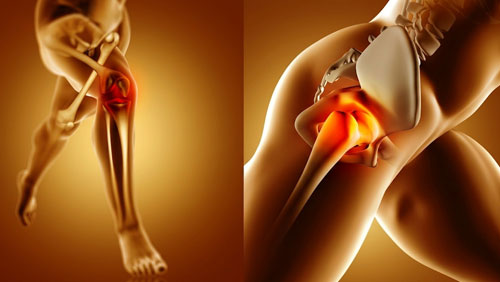
Healthy joints allow smooth, pain-free movement. However, conditions such as arthritis, injuries, and age-related wear can damage the joint surfaces, leading to persistent pain, stiffness, and reduced function. Joint replacement surgery replaces the damaged joint with an artificial implant, helping patients regain mobility and improve their quality of life.
Common Conditions That May Require Joint Replacement
- Osteoarthritis: Progressive wear and tear causing cartilage loss and joint pain.
- Rheumatoid Arthritis: Chronic inflammation leading to joint damage.
- Post-Traumatic Arthritis: Joint deterioration following fractures or major injuries.
- Avascular Necrosis: Loss of blood supply causing bone damage, especially in the hip.
- Severe Joint Degeneration: Advanced damage affecting normal movement and daily activities.
Signs You May Need Joint Replacement Surgery
- Persistent joint pain that limits daily activities.
- Difficulty walking, climbing stairs, or lifting the arm.
- Pain even while resting or sleeping.
- Severe joint stiffness and restricted movement.
- Failure of medications, physiotherapy, injections, or lifestyle changes to relieve symptoms.
- Joint deformity or instability affecting normal function.
Which Joints Can Be Replaced?
- Knee Replacement: Recommended for severe arthritis and advanced knee joint damage.
- Hip Replacement: Helps relieve pain caused by arthritis, fractures, or avascular necrosis.
- Shoulder Replacement: Suitable for severe arthritis, fractures, or irreparable joint damage affecting shoulder movement.
Benefits of Joint Replacement Surgery
- Significant reduction in chronic joint pain.
- Improved joint movement and flexibility.
- Enhanced ability to perform daily activities independently.
- Better overall quality of life and mobility.
- Long-lasting outcomes with modern implants and advanced surgical techniques.
Recovery After Joint Replacement
Recovery depends on the joint treated and the patient's overall health. Early mobilization, physiotherapy, and rehabilitation play an important role in regaining strength, flexibility, and normal function. Most patients gradually return to their daily routine within a few weeks, with continued improvement over the following months.
Conclusion
Joint replacement surgery can be life-changing for patients living with chronic knee, hip, or shoulder pain. Early consultation with an experienced orthopaedic surgeon helps determine the most appropriate treatment and ensures the best possible outcome. With modern surgical techniques and proper rehabilitation, patients can return to an active, pain-free lifestyle.