Benefits of Minimally Invasive Spine Surgery
Back and neck pain are among the most common health concerns affecting people of all ages. While many spine conditions can be treated with medications, physiotherapy, and lifestyle modifications, some patients may require surgery when symptoms persist or worsen. Thanks to advancements in orthopaedic technology, Minimally Invasive Spine Surgery (MISS) has become an effective alternative to traditional open spine surgery, offering faster recovery and excellent clinical outcomes.
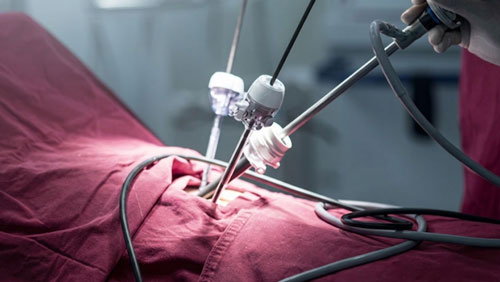
Minimally invasive spine surgery uses specialized instruments and advanced imaging technology to treat spinal disorders through small incisions. This approach minimizes damage to surrounding muscles and tissues, allowing patients to recover more quickly while achieving effective treatment results.
When Is Minimally Invasive Spine Surgery Recommended?
Your orthopaedic spine surgeon may recommend minimally invasive surgery if conservative treatments have failed to relieve symptoms caused by spinal conditions such as:
- Herniated (slipped) disc
- Spinal stenosis
- Sciatica with nerve compression
- Degenerative disc disease
- Spondylolisthesis
- Certain spinal fractures and instability
Key Benefits of Minimally Invasive Spine Surgery
- Smaller Incisions: Reduced surgical cuts result in minimal scarring.
- Less Muscle Damage: Healthy muscles and surrounding tissues are preserved.
- Reduced Blood Loss: Smaller incisions help minimize bleeding during surgery.
- Lower Risk of Infection: Less tissue exposure reduces the chances of post-operative infection.
- Less Post-Operative Pain: Patients generally experience less discomfort after surgery.
- Faster Recovery: Most patients recover more quickly and resume daily activities sooner.
- Shorter Hospital Stay: Many procedures require only a brief hospital stay.
- Improved Quality of Life: Relief from pain helps restore movement and overall well-being.
What to Expect During Recovery?
Recovery varies depending on the patient's condition and the procedure performed. Most patients are encouraged to begin gentle walking soon after surgery. Physiotherapy and rehabilitation exercises help improve strength, flexibility, and spinal stability while promoting a safe return to normal activities.
Who Is a Suitable Candidate?
Not every spine condition requires surgery, and not every patient is a candidate for minimally invasive techniques. A detailed clinical evaluation, physical examination, and imaging studies such as X-rays or MRI scans help determine the most appropriate treatment plan based on the patient's individual condition.
Why Choose an Experienced Spine Surgeon?
Successful spine surgery depends on accurate diagnosis, careful surgical planning, advanced techniques, and comprehensive rehabilitation. Consulting an experienced orthopaedic surgeon ensures that every patient receives personalized treatment aimed at achieving the best possible outcome while minimizing complications.
Conclusion
Minimally invasive spine surgery offers an advanced solution for patients suffering from chronic back or neck pain caused by specific spinal disorders. With smaller incisions, reduced pain, quicker recovery, and improved long-term outcomes, it has become a preferred treatment option for many patients. If you continue to experience persistent spine-related symptoms despite conservative treatment, consult Dr. Sachin R. Kurukalikar to determine whether minimally invasive spine surgery is the right option for you.